


Types of Saffron
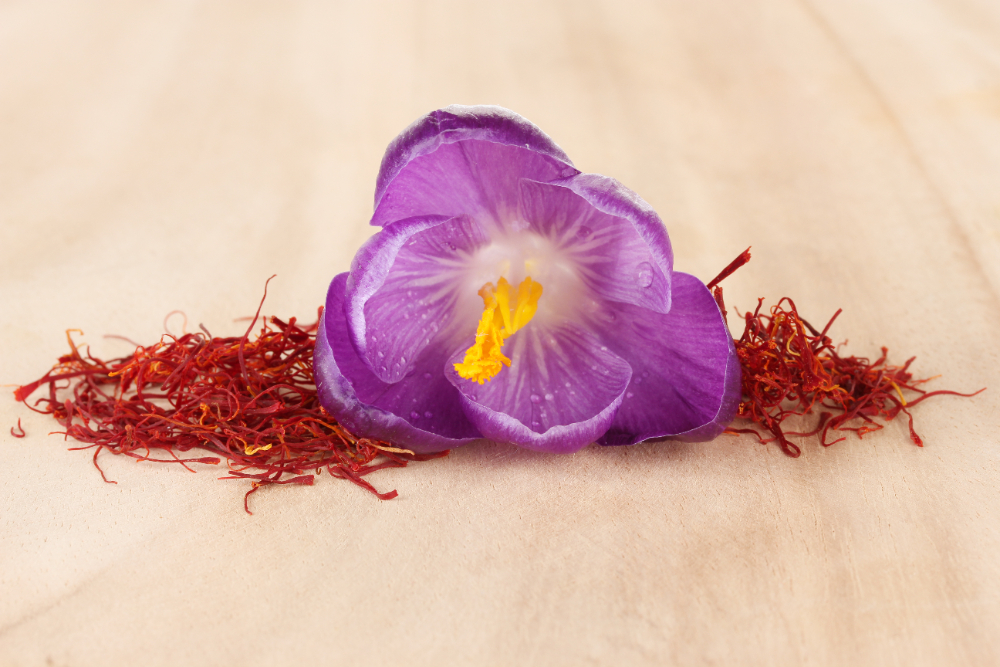
Saffron, one of the world’s most expensive spices, is derived from the Crocus sativus plant and comes in various types, each with its unique characteristics. These differences stem from the harvesting methods and the processing of the flowers. Let’s delve into the most important types of saffron.
-
Sargol Saffron
Recognized as the purest and highest quality saffron, Sargol saffron is obtained by separating the red part (stigma) from the other parts of the saffron flower. This type of saffron is completely free of yellow parts and is highly valued due to its high concentration of aromatic compounds and strong coloring power. The intense aroma and flavor of Sargol saffron make it suitable for special and traditional dishes.
-
Negin Saffron
Negin saffron is another high-quality type of saffron obtained from saffron stigmas. Due to its excellent coloring power and strong aroma, it is considered one of the best types of saffron on the global market. The distinctive feature of Negin saffron is that the stigmas are large and completely red, with no visible yellow or white parts. The production process of this type of saffron is very precise and time-consuming, which is why it has a higher price compared to other types of saffron.
-
Pushal Saffron
Pushal saffron is another type of saffron that includes the stigma along with a portion of the yellow saffron thread. This type of saffron has a lower coloring power and aroma compared to Sargol and Negin but is believed by some to have more medicinal properties due to the presence of the thread. Pushal saffron, due to its larger volume compared to Sargol and Negin, is considered a more economical type of saffron in some regions.
-
Bunched (Dakhter پیچ) Saffron
Bunched or Dakhter پیچ saffron refers to a type of saffron that is dried in bunches without separating the stigmas and threads. This type of saffron consists of all parts of the saffron flower and usually has half red stigma and half yellow thread. Due to the presence of the yellow part, the coloring power and aroma of this type of saffron are lower than Sargol but is considered a more natural type of saffron.
-
White Saffron (Konj)
After separating the red stigmas from the saffron, the remaining part of the plant, which is white or yellow, is called white or Konj saffron. Although this part of saffron does not have coloring power, it has the scent of saffron and is used in some regions as a fragrant substance. White saffron, due to the lack of red color, is less popular in the market but is still used by some people for its medicinal properties.

Uses of Saffron
Due to its unique compounds, including crocin (responsible for color), safranal (responsible for odor), and picrocrocin (responsible for taste), saffron is used in various industries. Some of the uses of saffron include:
* Food Industry: Used as a spice and natural colorant in various foods such as rice, soups, desserts, and beverages.
* Pharmaceutical Industry: Due to its antidepressant, anti-inflammatory, and immune-boosting properties, saffron is used in the production of herbal medicines.
* Cosmetics and Personal Care: Saffron is used as a beneficial ingredient for the skin in the production of masks and creams.
Conclusion
Different types of saffron have their unique characteristics, and one is chosen based on consumer needs. Sargol and Negin saffron, due to their higher quality, are more commonly used in cooking and the food industry, while Pushal and bunched saffron are known as more economical types for general consumption.